

Blog
Mobile Tyre Force Blog
Tyre tips, practical safety advice, and buying guides from our team.

8 June 2026
Emergency Mobile Tyre Fitting: What To Do After a Flat Tyre
A flat tyre can happen anywhere. Learn what to do, when it is safe to drive, and how emergency mobile tyre fitting can get you back on the road quickly.
Read article →
5 June 2026
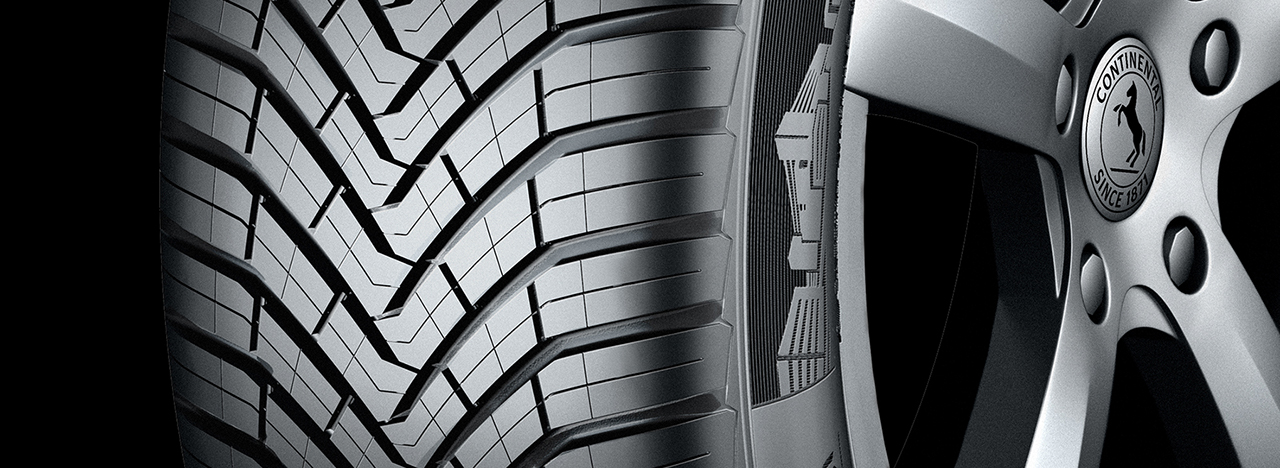
10 Surprising Tyre Facts Most Drivers Don't Know
From LEGO being the world's largest tyre manufacturer to tyres that have been used in space, discover 10 fascinating tyre facts that most drivers have never heard before.
Read article →
5 June 2026
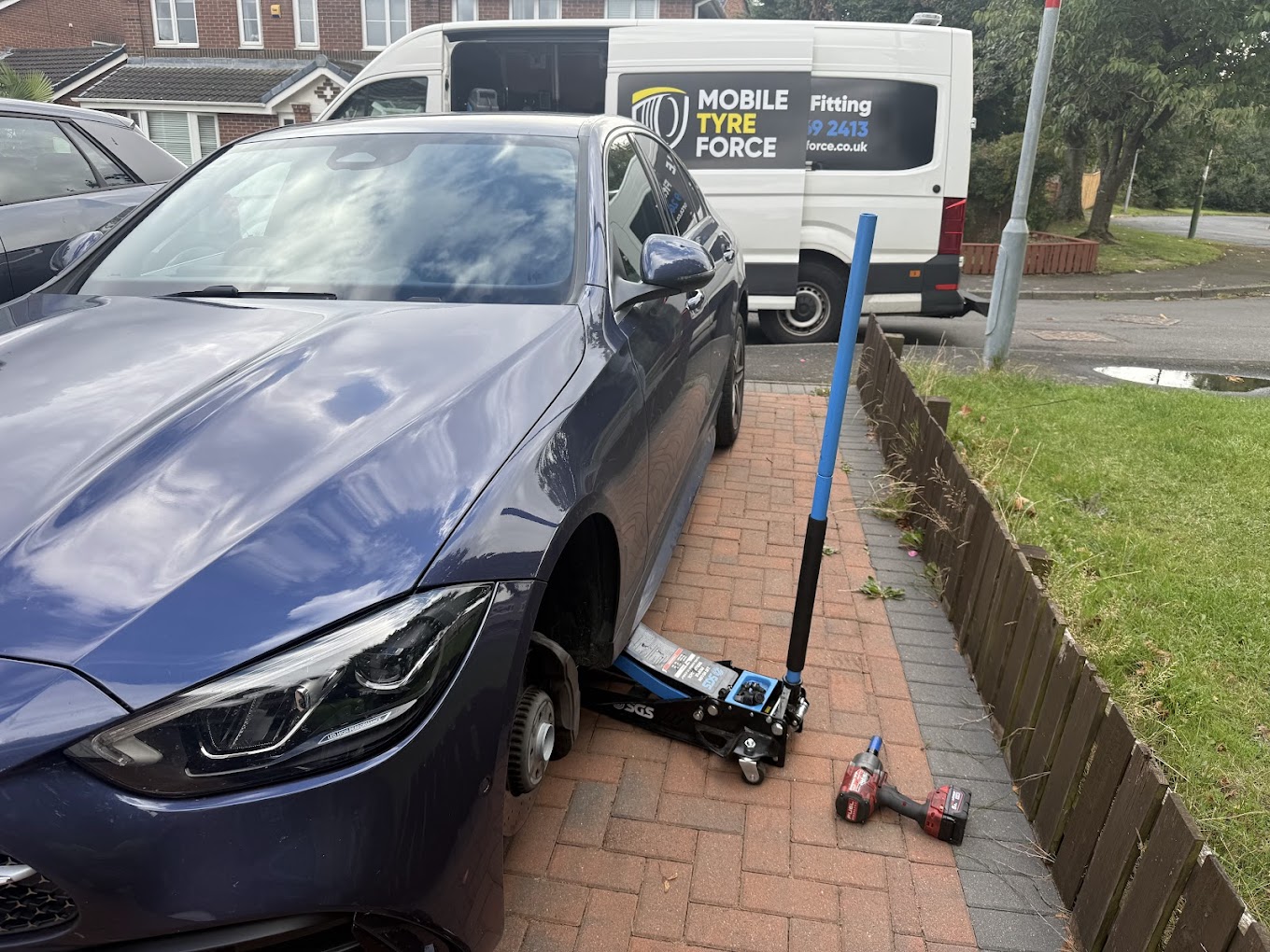
How Long Does Mobile Tyre Fitting Take?
Wondering how long mobile tyre fitting takes? Learn what affects response times and how quickly a replacement tyre can typically be fitted at your location.
Read article →

28 May 2026
Emergency Mobile Tyre Fitting On The Motorway: What To Do If You Get A Flat Tyre
A tyre failure on the motorway can be dangerous. Learn what to do, where to stop, and how emergency mobile tyre fitting can get you moving again safely.
Read article →

27 April 2026
How To Read A Tyre Label: What The Ratings Actually Mean
Tyre labels provide important information about fuel efficiency, wet grip, and external noise levels. Learn how to read a tyre label and choose the right tyre for your vehicle.
Read article →

23 April 2026
Are Premium Tyres Worth The Extra Money?
Premium tyres can cost significantly more than budget alternatives, but are they actually worth it? Learn the differences in performance, safety, longevity, and overall value.
Read article →

10 April 2026
Tyre Safety Checks Every Driver Should Know
Simple tyre safety checks can help improve grip, reduce stopping distances, and prevent costly breakdowns. Learn what to inspect and how often to check your tyres.
Read article →